
Brivis Evaporative Cooling Controller Manual: A Comprehensive Guide
Welcome! This manual details the operation of your Brivis evaporative cooling system controller‚ offering insights into personalized content‚ video recommendations‚ and tailored ads.
Explore features like YouTube Music‚ enjoying millions of songs‚ playlists‚ and live performances‚ alongside a global platform for sharing content with friends and family.
Understanding Brivis Evaporative Cooling Systems
Brivis evaporative cooling‚ a sustainable alternative to traditional air conditioning‚ utilizes the natural process of water evaporation to lower temperatures. Unlike refrigeration-based systems‚ Brivis coolers draw in fresh air‚ pass it through moistened pads‚ and distribute cool‚ humidified air throughout your home. This method is particularly effective in dry climates‚ offering significant energy savings and improved air quality.
The core of a Brivis system lies in its controller‚ which manages the fan speed‚ water pump‚ and operational schedules. Understanding how this controller interacts with the system components – the cooling pads‚ water reservoir‚ and distribution network – is crucial for optimal performance. Like platforms such as YouTube‚ which personalize content‚ the Brivis controller allows for customized cooling experiences.
Modern Brivis controllers often incorporate features like timers‚ temperature sensors‚ and remote control compatibility‚ mirroring the user-friendly interfaces found in apps like YouTube Music. These advancements enable precise control and automation‚ ensuring comfort and efficiency. Regular maintenance‚ guided by the controller’s feedback‚ is key to prolonging the life of your Brivis system.
Controller Overview and Functionality
The Brivis evaporative cooling controller serves as the central command unit for your system‚ offering comprehensive control over its operation. Typically featuring a digital display and intuitive button layout‚ the controller allows users to adjust fan speeds‚ manage water pump activation‚ and program operational schedules. It’s akin to navigating a platform like YouTube‚ where users select videos and customize their viewing experience.
Key functionalities include the ability to set timers for automated operation‚ ensuring cooling is active only when needed‚ maximizing energy efficiency. The controller also monitors system performance‚ displaying relevant information such as temperature readings and error codes. Similar to YouTube’s algorithm suggesting content‚ the controller optimizes cooling based on set parameters.
Advanced controllers may offer remote access via a dedicated app‚ mirroring the convenience of the YouTube Music app. This allows for control from anywhere with an internet connection. Understanding each button and display icon is vital for effective operation and troubleshooting‚ ensuring a comfortable and efficient cooling experience.
Initial Setup and Installation
Before operating your Brivis evaporative cooling controller‚ proper setup and installation are crucial. Begin by carefully unpacking all components and verifying their presence against the included parts list. The controller typically mounts to a wall in a central‚ accessible location‚ ensuring clear visibility of the display. Secure mounting is essential‚ similar to ensuring a stable internet connection for platforms like YouTube.
Electrical connection requires adherence to local regulations and may necessitate a qualified electrician. Ensure the controller is correctly wired to the evaporative cooling unit and a suitable power source. Following installation‚ a preliminary system check is recommended. This involves verifying the water supply connection‚ ensuring adequate water pressure‚ and confirming proper fan operation.
Like setting up a YouTube account‚ initial configuration involves setting the date and time‚ and potentially configuring network settings for remote access. Refer to the detailed wiring diagrams and installation instructions provided with your unit for specific guidance. A correctly installed system forms the foundation for optimal performance and longevity.
Powering On and Basic Operation
To initiate operation‚ locate the power button on the Brivis evaporative cooling controller. Upon activation‚ the display will illuminate‚ initiating a self-test sequence. This process verifies the functionality of key components‚ similar to how YouTube checks for updates. Allow the system to complete this diagnostic before proceeding.
Basic operation revolves around several core functions. The ‘On/Off’ button controls the entire system. Fan speed adjustment is typically managed via dedicated buttons or a rotary dial‚ allowing you to select from low‚ medium‚ and high settings. Water pump activation is also controlled independently‚ ensuring adequate water flow for effective cooling.
Observe the display for system status indicators. These icons provide real-time feedback on operating conditions‚ such as water level and fan speed. Familiarize yourself with these indicators for quick troubleshooting. Like enjoying content on YouTube Music‚ optimal performance relies on understanding and utilizing these basic controls.

Controller Interface and Display
The controller’s interface provides access to all system functions‚ mirroring YouTube’s user-friendly design. Icons and menus offer intuitive control‚ enabling personalized cooling experiences.
Decoding the Display Icons
Understanding the icons on your Brivis evaporative cooling controller display is crucial for efficient operation. Much like navigating YouTube’s interface‚ each icon represents a specific function or system status. A water droplet icon indicates the water pump’s activity – solid means running‚ flashing suggests a low water level or pump issue.

The fan icon displays the current fan speed setting‚ often with multiple segments illuminating to show intensity. A snowflake icon signifies cooling mode activation‚ while a sun icon might represent a dry-only or ventilation setting. Error codes‚ displayed as alphanumeric combinations‚ signal potential problems requiring attention‚ similar to troubleshooting on platforms like YouTube.
A timer icon confirms scheduled operation‚ and a remote control icon indicates successful pairing. Regularly referencing this icon key‚ found within the full manual‚ will empower you to quickly diagnose and address any operational concerns‚ ensuring optimal performance and a comfortable indoor climate; Familiarity with these visual cues streamlines system management.
Navigating the Menu System
Accessing the menu on your Brivis controller is similar to exploring content on platforms like YouTube – intuitive but requiring initial familiarization. Typically‚ a central ‘Menu’ or ‘Settings’ button initiates access. Use the up and down arrow keys to scroll through available options‚ such as ‘Fan Speed’‚ ‘Water Pump’‚ ‘Timer’‚ and ‘Settings’.
Selecting an option is usually done with an ‘Enter’ or ‘OK’ button. Within each menu‚ further sub-options may exist‚ navigated in the same manner. The display will clearly indicate your current location within the menu structure; Remember that‚ like customizing a YouTube homepage‚ adjustments made here personalize your cooling experience.
To exit the menu at any time‚ press the ‘Menu’ or ‘Back’ button. Experimenting with the menu system is encouraged‚ but always refer to the full manual for detailed explanations of each function. This allows you to tailor the system to your specific needs and preferences‚ maximizing comfort and efficiency.
Adjusting Fan Speed Settings
Controlling airflow is crucial for optimal cooling‚ much like selecting the right video quality on YouTube. Your Brivis controller offers multiple fan speed settings‚ typically ranging from ‘Low’ to ‘High’‚ and potentially including an ‘Auto’ mode. Access these settings through the main menu‚ navigating to the ‘Fan Speed’ option.
‘Low’ provides a gentle breeze‚ ideal for milder temperatures or quiet operation. ‘Medium’ offers a balance between airflow and noise‚ while ‘High’ delivers maximum cooling power. ‘Auto’ mode intelligently adjusts fan speed based on the sensed temperature‚ similar to personalized recommendations; Use the arrow keys to select your desired speed and confirm with ‘Enter’.
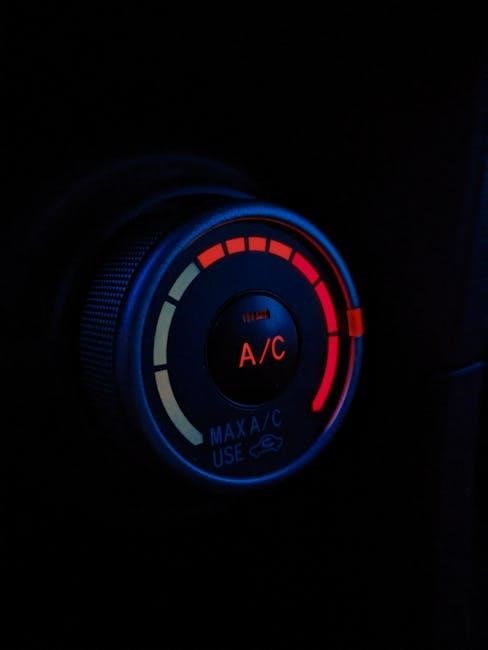
Experiment to find the most comfortable setting for your environment. Remember‚ higher speeds consume more energy. Consider utilizing ‘Auto’ mode for energy efficiency and consistent comfort‚ letting the controller manage airflow dynamically‚ much like YouTube’s algorithm curates content for you.
Setting Water Pump Operation
Maintaining adequate water supply is vital for evaporative cooling‚ akin to ensuring a stable internet connection for uninterrupted YouTube streaming. The Brivis controller allows precise control over the water pump‚ ensuring efficient operation and preventing dry operation. Access the ‘Water Pump’ settings via the main menu.
You’ll typically find options for ‘Auto’ and ‘Manual’ control. ‘Auto’ mode automatically activates the pump when needed to maintain sufficient water levels on the cooling pads‚ mirroring YouTube’s auto-play feature. ‘Manual’ allows you to directly control the pump‚ useful for initial setup or troubleshooting.
Monitor the water level indicator on the display. If using ‘Auto’‚ ensure the water supply is connected and the float valve is functioning correctly. Regularly check for leaks and obstructions. Proper pump operation guarantees optimal cooling performance and extends the life of your system‚ just as consistent uploads benefit a YouTube channel.

Advanced Features and Settings
Unlock full potential! Explore timers‚ schedules‚ and sensor calibration for personalized cooling‚ similar to YouTube’s tailored recommendations and customized playlists for optimal enjoyment.
Programming Timers and Schedules
Automated Comfort: The Brivis controller allows for precise programming of timers and schedules‚ optimizing cooling operation to match your lifestyle and minimize energy consumption. This feature enables you to pre-set cooling cycles‚ ensuring a comfortable environment only when needed. Access the ‘Schedule’ menu via the controller interface‚ where you can define start and stop times for each day of the week.
Customizable Profiles: Create multiple schedules to cater to varying routines – perhaps a ‘Weekday’ schedule for work hours and a ‘Weekend’ schedule for relaxed home enjoyment. The system supports granular control‚ allowing settings for different time slots within each day. Think of it like creating personalized playlists on YouTube Music; you curate the cooling experience to suit specific moments.

Energy Savings: By automating cooling‚ you avoid unnecessary operation‚ leading to significant energy savings. This is akin to YouTube’s algorithm suggesting videos you’ll enjoy‚ reducing wasted browsing time. The controller remembers your programmed schedules even after a power outage‚ ensuring consistent performance. Regularly review and adjust schedules to reflect seasonal changes and evolving needs.
Temperature Sensor Calibration
Ensuring Accuracy: Maintaining accurate temperature readings is crucial for optimal evaporative cooling performance. The Brivis controller allows for temperature sensor calibration‚ compensating for potential inaccuracies that may develop over time. Access the ‘Calibration’ menu through the controller’s settings. This process involves comparing the controller’s reading with a trusted‚ calibrated thermometer.
Step-by-Step Adjustment: Follow the on-screen prompts to adjust the sensor reading. Small increments are recommended for precise calibration. Think of it like refining a YouTube playlist – subtle adjustments create the perfect flow. Avoid drastic changes‚ as this can negatively impact cooling efficiency. Regularly check the sensor’s accuracy‚ especially after relocation or maintenance.
Optimal Performance: A properly calibrated sensor ensures the controller activates cooling only when necessary‚ maximizing comfort and minimizing energy consumption. This is similar to YouTube’s personalized recommendations‚ delivering relevant content efficiently. If you encounter persistent discrepancies‚ contact a qualified Brivis technician for assistance. Accurate readings are fundamental to a consistently comfortable indoor climate.
Remote Control Operation
Convenient Control: Your Brivis evaporative cooling system includes a remote control for convenient operation from anywhere within range. The remote mirrors the functionality of the main controller‚ allowing you to adjust fan speeds‚ water pump settings‚ and access programmed timers. It’s like having a personalized YouTube homepage – instant access to your preferred settings.

Button Functions: Familiarize yourself with the remote’s button layout. Key functions include power on/off‚ fan speed adjustment (low‚ medium‚ high)‚ pump control‚ and timer activation. Ensure the remote has fresh batteries for optimal performance. Point the remote directly at the controller’s receiver for reliable communication.
Seamless Integration: The remote offers a seamless extension of the controller’s capabilities‚ providing effortless control over your indoor climate. Just as YouTube allows you to enjoy videos on multiple devices‚ the remote extends control beyond the main unit. If the remote becomes unresponsive‚ check the batteries and ensure there are no obstructions between the remote and the controller.

Troubleshooting Common Issues
Addressing Problems: This section guides you through resolving typical issues‚ mirroring YouTube’s help resources. Expect solutions for error codes‚ water supply disruptions‚ and fan malfunctions.

Error Codes and Their Meanings
Understanding System Diagnostics: The Brivis controller utilizes a series of error codes to quickly identify potential problems within your evaporative cooling system. These codes‚ displayed on the controller’s interface‚ act as diagnostic tools‚ similar to how YouTube flags content issues.
Common Error Code Examples:
- E01: Indicates a low water level in the reservoir. Refill the reservoir to resume operation.
- E02: Signals a problem with the water pump. Check for obstructions or pump failure.
- E03: Suggests a temperature sensor malfunction. Contact a qualified technician for replacement.
- E04: Points to a fan motor issue. Inspect the fan blades and motor for damage.
- E05: Denotes a communication error between the controller and other system components.
Refer to the Full Code List: For a comprehensive list of all error codes and their corresponding solutions‚ please consult the detailed appendix at the back of this manual. Just as YouTube provides extensive help documentation‚ we aim to empower you with the knowledge to resolve issues efficiently. Ignoring error codes can lead to further damage.
Resolving Water Supply Problems
Maintaining Optimal Water Flow: Consistent water supply is crucial for efficient evaporative cooling. Similar to how YouTube relies on a stable network connection for uninterrupted streaming‚ your Brivis system needs a reliable water source. Begin by verifying the main water supply valve is fully open‚ ensuring adequate pressure reaches the unit.
Troubleshooting Common Issues:
- Clogged Water Line: Inspect the water line for kinks or blockages. Flush the line to remove any debris.
- Reservoir Issues: Check the reservoir for leaks or cracks. Ensure the float valve is functioning correctly.
- Pump Malfunction: If the pump isn’t priming‚ check for airlocks. Consult the “Error Codes” section for pump-specific errors.
Water Quality Considerations: Hard water can lead to scale buildup‚ reducing efficiency. Consider using a water filter or descaling solution periodically. Just as YouTube recommends optimizing video settings for different connections‚ maintaining water quality optimizes system performance. If problems persist‚ contact a qualified plumber.
Addressing Fan Malfunctions
Maintaining Airflow: Proper fan operation is vital for distributing cooled air‚ much like YouTube’s servers ensure smooth video delivery. If you notice reduced airflow or unusual noises‚ investigate potential fan malfunctions. First‚ ensure the controller is set to an appropriate fan speed – a simple check‚ similar to adjusting YouTube video quality.
Troubleshooting Steps:
- Obstructions: Inspect the fan blades for any obstructions like debris or accumulated dust.
- Motor Issues: Listen for humming sounds‚ indicating a potential motor problem. A seized motor requires professional attention.
- Belt Slippage (if applicable): Check the fan belt for wear and tear or looseness.
Safety First: Always disconnect power before inspecting or attempting to repair the fan. If the fan continues to malfunction after these checks‚ or if you are uncomfortable performing these tasks‚ contact a qualified technician. Ignoring fan issues can lead to overheating and system damage‚ akin to a server overload on YouTube.